In today’s digital world, almost everything we do is connected to the internet. We use smartphones, laptops, social media accounts, online banking, shopping websites, and cloud storage every day. While technology has made life easier, it has also created new risks. Cyber criminals constantly look for ways to steal personal information, hack accounts, spread viruses, and damage systems. This is where cyber security becomes important.
As someone who started learning about technology, I realized that cyber security is not just a topic for experts or big companies. It is something that every internet user should understand. Whether you are a student, business owner, employee, or casual internet user, knowing the basics of cyber security can help you stay safe online.
What Is Cyber Security?
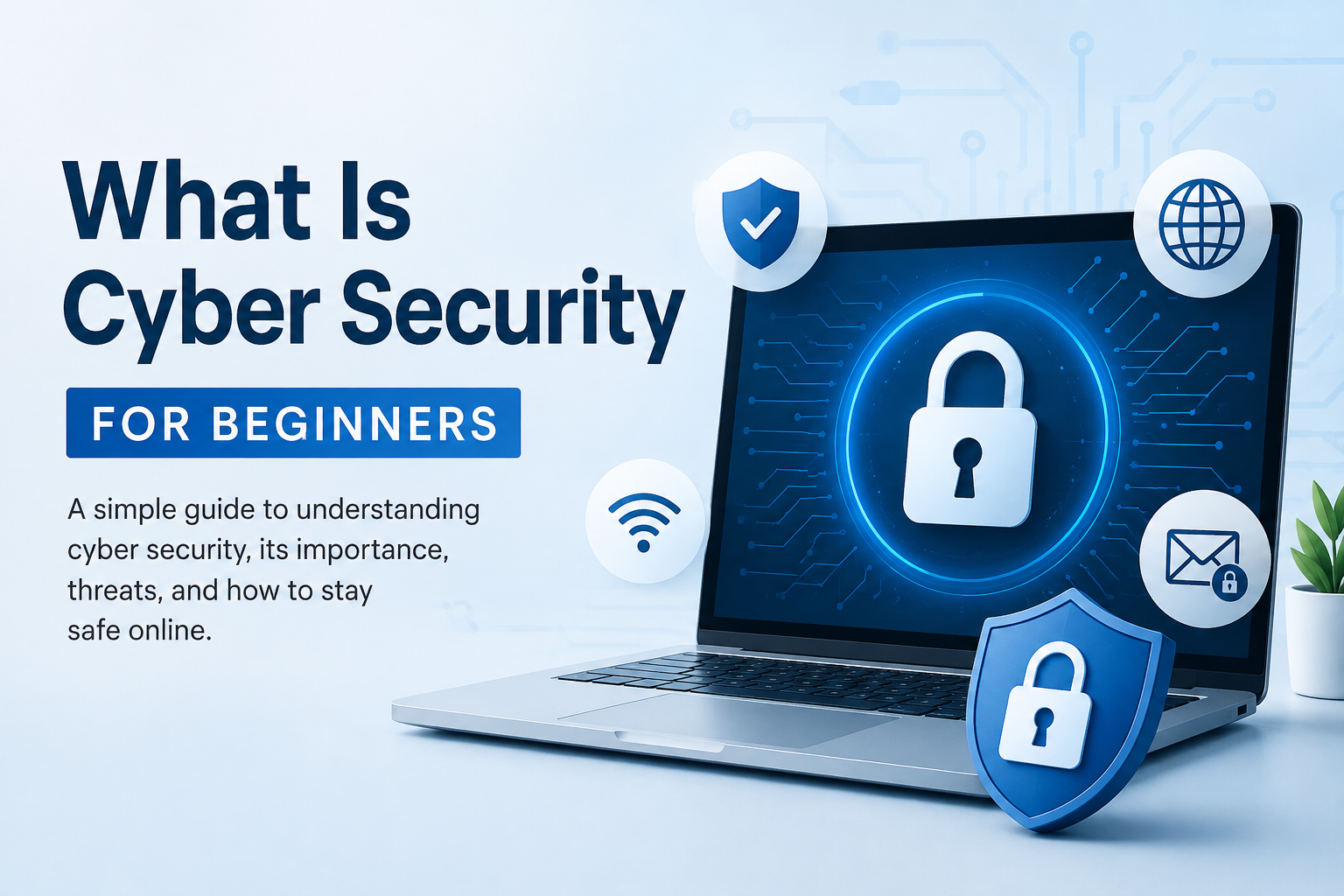
Cyber security is the practice of protecting computers, mobile devices, networks, software, and data from digital attacks. These attacks are often carried out by hackers who want to steal information, demand money, or disrupt services.
The main goal of cyber security is to keep data secure, private, and available only to authorized users. It works by using different technologies, tools, and best practices to prevent cyber threats.
For example, when you create a strong password, install antivirus software, or enable two factor authentication, you are using cyber security measures.
Why Is Cyber Security Important?
Cyber security has become more important than ever because our personal and professional lives are connected to digital systems.
Imagine losing access to your email account, bank account, or social media profile because of a hacker. It can lead to financial loss, identity theft, and stress.
Businesses also depend on cyber security because they store customer information, financial records, and important data online. A cyber attack can damage a company’s reputation and cause huge losses.
Here are some reasons why cyber security matters:
Protects personal information
Prevents financial fraud
Keeps online accounts secure
Protects businesses from losses
Ensures privacy
Builds trust in digital services
Without proper cyber security, using the internet would become risky and unsafe.
Common Cyber Threats
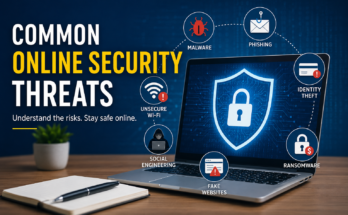
Beginners should understand some of the most common cyber threats they may face.
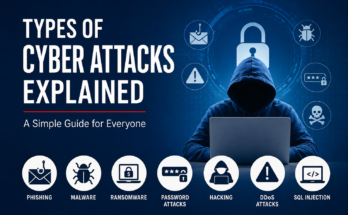
Malware
Malware is malicious software designed to damage or gain access to a computer system. Examples include viruses, worms, trojans, and spyware.
Malware can enter your device through unsafe downloads, infected websites, or email attachments.
Phishing
Phishing is one of the most common cyber attacks. Hackers send fake emails, messages, or websites that look real to trick users into revealing passwords, credit card details, or personal information.
For example, you may receive an email pretending to be from your bank asking you to verify your account details.
Ransomware
Ransomware locks or encrypts files and demands payment to restore access. Many businesses and individuals have suffered huge losses because of ransomware attacks.
Password Attacks
Weak passwords are easy targets for hackers. Cyber criminals use software tools to guess passwords and access accounts.
Social Engineering
Social engineering involves manipulating people into giving away confidential information. Instead of attacking systems, hackers target human behavior.
Basic Principles of Cyber Security
Cyber security is based on three important principles.
Confidentiality
Confidentiality means keeping information private and accessible only to authorized users.
For example, passwords and personal details should remain secret.
Integrity
Integrity ensures that information remains accurate and unchanged.
This means data should not be altered without permission.
Availability
Availability means that systems and information should be accessible when needed.
For example, websites and online services should work properly without interruptions.
These three principles form the foundation of cyber security.
Types of Cyber Security
Cyber security is a broad field with different areas.
Network Security
Network security protects computer networks from unauthorized access and attacks.
Firewalls, antivirus programs, and intrusion detection systems are common network security tools.
Application Security
Application security focuses on protecting software and apps from vulnerabilities.
Developers regularly update software to fix security issues.
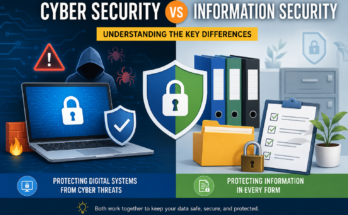
Information Security
Information security protects sensitive data from theft or unauthorized access.
Cloud Security
Cloud security involves protecting data stored on cloud platforms.
Many companies use cloud services, making this area increasingly important.
Mobile Security
Mobile security protects smartphones and tablets from threats.
Installing trusted apps and keeping devices updated are examples of mobile security practices.
How Beginners Can Stay Safe Online
Learning cyber security does not have to be difficult. Here are some simple tips that anyone can follow.
Use Strong Passwords
Create passwords that include uppercase letters, lowercase letters, numbers, and special characters.
Avoid using names, birthdays, or common words.
Enable Two Factor Authentication
Two factor authentication adds an extra layer of security by requiring a second verification step.
Even if someone steals your password, they still cannot access your account easily.
Keep Software Updated
Updates often contain security fixes that protect devices from new threats.
Always update operating systems, apps, and antivirus software.
Avoid Suspicious Links
Do not click on unknown links in emails, messages, or websites.
Always verify the source before opening attachments.
Use Antivirus Software
Antivirus software helps detect and remove harmful programs.
Choose trusted security software and keep it updated.
Secure Your WiFi
Use a strong password for your wireless network.
Avoid using public WiFi for sensitive activities like online banking.
Backup Important Data
Regular backups help protect your files if your system is infected or damaged.
Cloud storage and external drives are useful backup options.
Cyber Security Careers
Cyber security is one of the fastest growing industries in the world. As cyber threats increase, organizations need skilled professionals to protect their systems.
Some popular cyber security careers include:
Security Analyst
Ethical Hacker
Penetration Tester
Network Security Engineer
Security Consultant
Incident Response Specialist
Cloud Security Expert
Many beginners start learning through online courses, certifications, and hands on practice.
How to Start Learning Cyber Security
If you are interested in cyber security, start with the basics.
Learn how computers, networks, and the internet work.
Understand common threats and security practices.
Practice using security tools in safe environments.
Follow cyber security news to stay updated about new threats.
Free resources, tutorials, and online communities can help beginners learn quickly.
The key is to stay curious and keep learning.
The Future of Cyber Security
Technology continues to evolve, and cyber threats are becoming more advanced. Artificial intelligence, cloud computing, and smart devices are changing the digital world.
As more people and businesses depend on technology, cyber security will remain essential.
I believe cyber security is not just a technical skill but a life skill. Every internet user should understand how to stay safe online.
Final Thoughts
Cyber security is the process of protecting devices, networks, and data from cyber attacks. It helps individuals and businesses stay safe in the digital world.
For beginners, understanding basic concepts such as malware, phishing, strong passwords, and safe browsing habits is the first step toward better online security.
You do not need to be an expert to protect yourself online. Small actions like using strong passwords, updating software, and enabling two factor authentication can make a big difference.
As our world becomes more connected, cyber security knowledge will become even more valuable. Learning the basics today can help you stay safe and confident while using technology in the future.